Can non-swimmers snorkel?
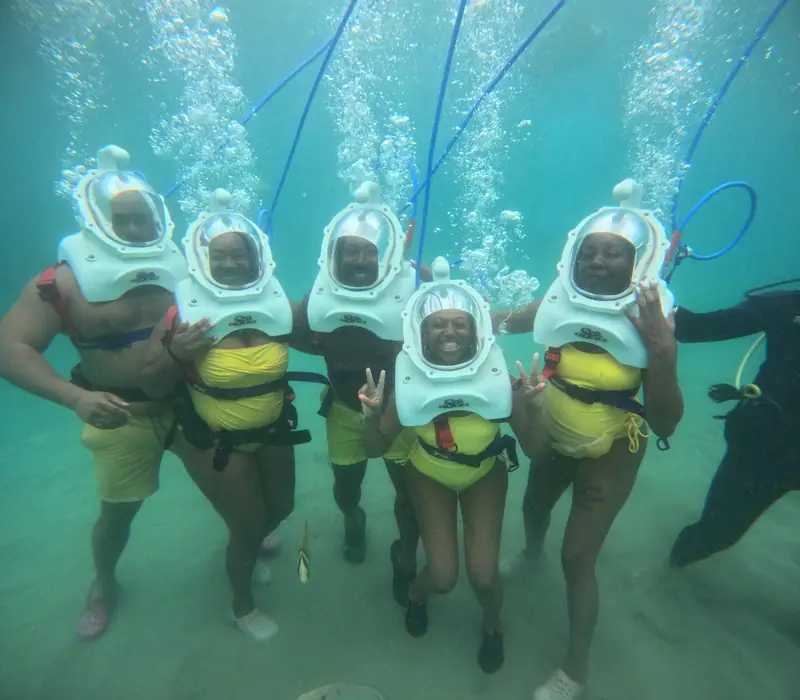
Yes, non-swimmers can enjoy the reef in Puerto Rico when the trip is built around support. Helmet diving needs no swimming at all: you breathe normally inside a helmet fed with air from the surface and walk the sea floor. Guided snorkeling suits people who are comfortable in the water with flotation on and a guide beside them, in calm, shallow spots. Solo snorkeling is best left to confident swimmers, so the easy way in is always guided and supported.
Quick picks
- No swimming
- Helmet Diving, San Juan, $119
- Easiest day out
- Icacos Beach Day, life jackets, $89
- First snorkel
- San Juan Snorkel, guide beside you, $89
- Boat and reefs
- Icacos Afternoon Snorkel, $109
- Calmest water
- Sheltered coves and the Fajardo cays
Your options, easiest first
Think of these as rungs on a ladder. Each one asks a little more of you in the water and gives a little more reef in return. Pick the rung that matches your comfort today; you can always climb one on your next trip. Snorkeling for non-swimmers in Puerto Rico works best when the support comes built in, and on every option below it does.
1No swimming needed
Helmet Diving
Best for: true non-swimmers, nervous first-timers and anyone who would rather walk than float.
- Breathe normally inside a helmet with constant airflow
- Walk in from the sand at the Caribe Hilton beach, San Juan
- 1.5 hours, ages 8+ and at least 80 lb
$119 per person
Book Now2Float and relax
Icacos Beach Day
Best for: non-swimmers who want a whole island day in shallow, clear water.
- Non-swimmers welcome, life jackets on every boat
- USCG-licensed captains and an umbrella on the sand
- About 5 hours on Icacos; add the Guided Hike ($109) for a mask, snorkel and guide
$89 per person
Book Now3Guide beside you
San Juan Snorkel
Best for: people who feel at home in the water and want a guide within arm's reach.
- Walk in from the sand to a sheltered cove
- Practice in the shallows first, guide in the water the whole swim
- 1.5 hours, ages 3+
$89 per person
Book Now4Flotation included
Icacos Afternoon Snorkel
Best for: first-timers ready for a boat trip with plenty of support.
- A flotation device for everyone, guide in the water with the group
- The second stop is calm, shallow water for nervous swimmers
- About 4 hours, ages 3+, food and drinks on board
$109 per person
Book NowThe easiest yes: Helmet Diving. No swimming, no boat ride, 1.5 hours on the sea floor in San Juan for $119 per person.
Helmet diving vs snorkeling vs snuba
Helmet diving needs no swimming: air flows into a helmet resting on your shoulders and you walk the bottom. Snorkeling keeps you floating face down at the surface, breathing through a short tube, so comfort in the water and a flotation aid matter. Snuba sits in between: you breathe from a long hose fed from a raft at the surface and swim a short way below it, so basic swimming is needed.
| Helmet diving | Guided snorkeling | Snuba | |
|---|---|---|---|
| Swimming needed | None | Comfort in the water; flotation helps | Basic swimming |
| How you breathe | Normally, inside a helmet with constant airflow | Through a snorkel, face in the water | Mouthpiece on a hose from a surface raft |
| Ages | 8+ and at least 80 lb on our trip | 3+ on our San Juan and Icacos trips | Typically 8+ |
| With us | Helmet Diving, $119 | San Juan Snorkel, $89; Icacos Snorkel, $109 | Not one of our trips |
| Best for | Non-swimmers, grandparents, nervous first-timers | Water-comfortable beginners and families | Swimmers curious about breathing underwater |
The helmet idea is simple and proven. Air travels down a low-pressure hose from the surface, fills the helmet and spills out of its open bottom, and that steady flow keeps the water level below your nose and mouth while the helmet rests on your shoulders (how a diving helmet works). That is why the helmet walk sometimes called Sea Trek is the one option on this page that asks for zero swimming. Snorkeling gives you the widest view of the reef for the lowest price, and with a guide and flotation it is a wonderful second step.
Snorkel vest vs life jacket
A snorkel vest and a life jacket do different jobs. A snorkel vest is a partial flotation aid: you add or release air to the level you like, so you can rest at the surface and still keep your face in the water. A life jacket is built to hold you up on its own. One manufacturer’s product listing states plainly that its snorkel vest is not a life jacket and is not meant for non-swimmers (see the listing).
What that means for you: as a non-swimmer, pick a trip where proper flotation and a guide come standard. On our Icacos Beach Day there are life jackets on every boat, run by USCG-licensed captains. On the Icacos Afternoon Snorkel and the Culebra boat excursion, a flotation device is part of everyone’s gear along with the mask, snorkel and fins. Hawaii’s state snorkeling safety guidance gives the same advice to every snorkeler: wear a flotation vest or belt and swim with a buddy.
Where the water is calmest for beginners
The calmest water for beginners in Puerto Rico is usually in sheltered coves and around the Fajardo cays. In San Juan, a protected cove by the Caribe Hilton beach lets you walk in from the sand. Off Fajardo, the sheltered side of Icacos Island is shallow and clear. Culebra’s refuge-protected beaches are shallow enough to plant both feet and regroup. The crew picks the calmest spot each day.
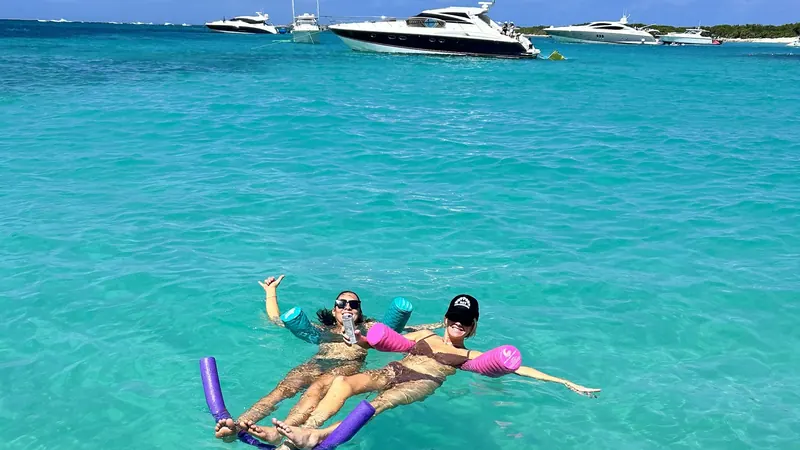
- San Juan cove: walk-in entry and a guide in the water on the San Juan Snorkel, and the same beach hosts the helmet dive.
- Fajardo cays: shallow, clear water at Icacos for the Beach Day and the afternoon snorkel.
- Culebra: calm, refuge-protected snorkeling straight off the beach on the Culebra Day Trip, ages 5+.
The open north-shore beaches are the island’s surf coast, made for watching big winter waves from the sand, while the protected spots above give you the gentle version for a first snorkel. Conditions shift day to day, so our crews choose the spot for each day’s weather. For currents, seasons and how we read the water, see our guide on whether snorkeling in Puerto Rico is safe.
First-snorkel tips for nervous swimmers
Nervous swimmers do best when the first minutes feel easy. Try the mask on land, breathe slowly through the snorkel in water where you can stand, wear flotation, and stay beside your guide. Each small win makes the next one feel natural, and most of the reef is right there in the top few feet of water.
- Practice on land first. Fit the mask and breathe through the snorkel on the sand or the boat deck before you get wet, as Hawaii’s ocean safety team suggests.
- Start where you can stand. Take a few breaths face down, lift your head, reset, and go again. Short tries build confidence fast.
- Let flotation do the work. Relax your legs, keep your kicks slow and let your life jacket or flotation hold you.
- Breathe long and slow. Calm, full exhales keep you relaxed and the snorkel clear.
- Stay with a buddy and your guide. A familiar face beside you turns a new feeling into a shared one.
- On a helmet walk, clear your ears early and often. Pressure on the eardrum grows with depth, so small, frequent clears feel best even in shallow water (DAN on ear pressure).
Bringing children? Our guide to snorkeling with kids in Puerto Rico covers ages and family picks, and the what-to-bring checklist handles the packing.